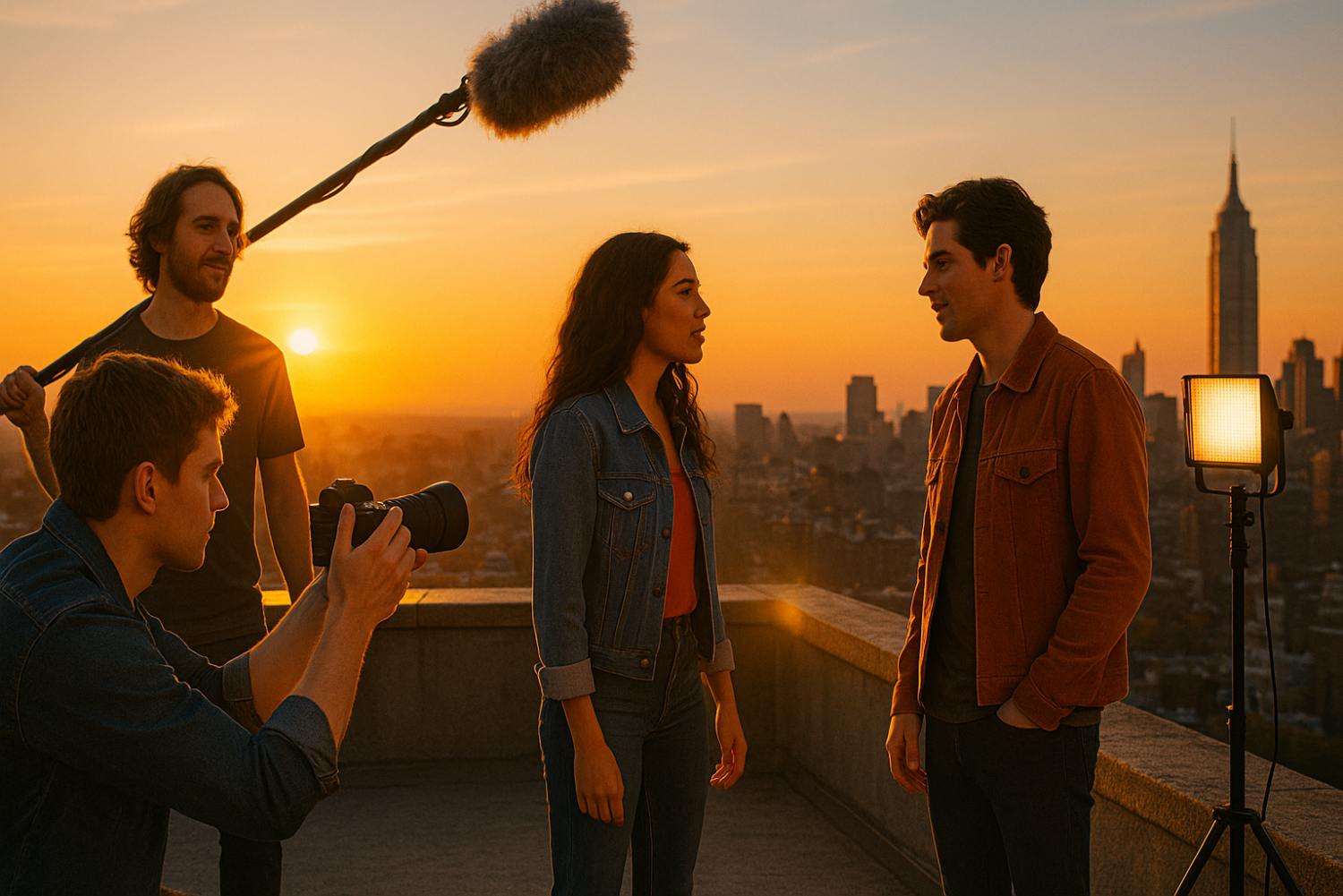
The complete zero budget filmmaking guide for beginners, indie creators, and students who are ready to stop waiting and start shooting.
Let’s get one thing straight right out of the gate: the idea that you need money to make a film is one of the most persistent myths in the creative world — and it’s keeping talented people on the sidelines.
The truth? Some of the most celebrated independent films in history were made on shoestring budgets, guerrilla-style, with skeleton crews and borrowed gear. Clerks was shot for under $28,000. Tangerine — an acclaimed Sundance hit — was filmed entirely on an iPhone 5S. El Mariachi cost Robert Rodriguez just $7,000 and launched a Hollywood career.
What separates those filmmakers from everyone else wasn’t a budget. It was execution.
This guide is for you if you’re a beginner filmmaker, a film student, or an indie creator who’s tired of waiting for the “right time” or the “right resources.” What you’ll find here is a practical, step-by-step zero budget filmmaking system — from your first idea to your final export — built entirely around what you already have.
Why You Don’t Need Money to Start Filmmaking
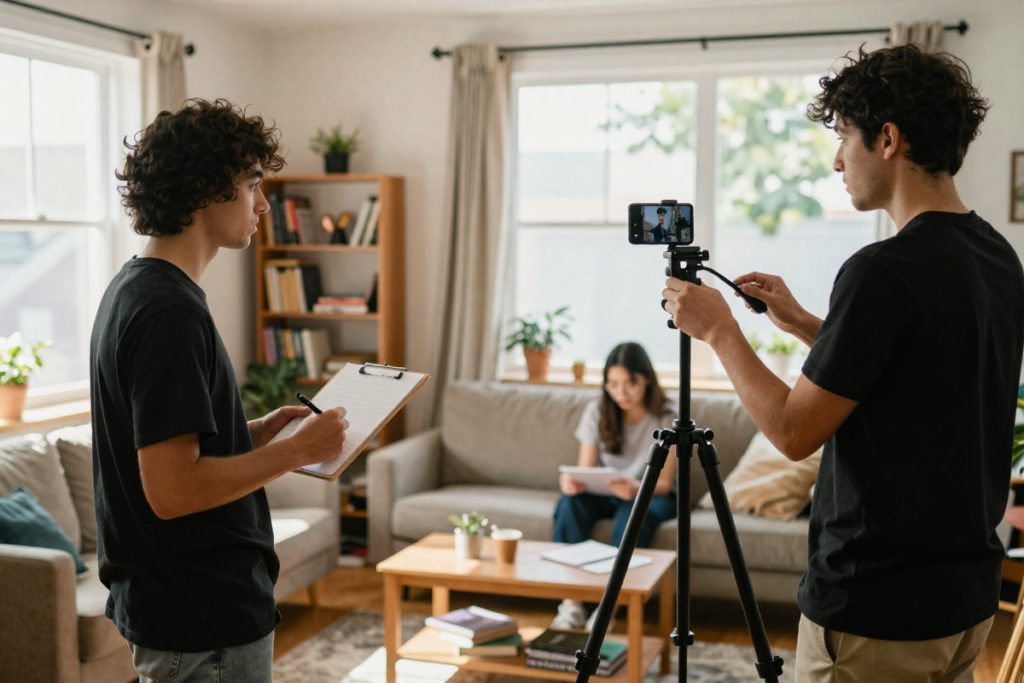
Breaking Down the Gear Myth
The filmmaking industry has a powerful incentive to sell you things. Cameras, lenses, lighting rigs, editing suites — the gear ecosystem is enormous. But here’s what experienced micro-budget producers will tell you plainly: the camera is the last thing that matters.
Modern smartphones shoot in 4K. Free software like DaVinci Resolve rivals professional color grading suites. Platforms like YouTube and Tubi are hungry for content and will distribute your work globally at zero cost to you.
The shift in independent cinema from a studio-centric model to a decentralized, micro-budget paradigm means the barriers to entry have never been lower. In 2025, your primary challenge isn’t permission or access — it’s discovery and execution.
Skills That Matter More Than Money
When your budget is zero, three things replace capital:
- Planning — Meticulous pre-production is your only substitute for the money that traditionally “buys out” logistical problems
- Creativity — Constraints force better storytelling decisions
- Networking — Your community is your production budget
The filmmakers who succeed with no money are the ones who treat financial limitations as a creative catalyst, not a dead end. That “lean model” mindset is where everything begins.
Step 1: Start With a Simple, Shootable Idea
Keep It Contained
The single biggest mistake zero-budget filmmakers make is writing a script they can’t afford to shoot. Before you type a single word, embrace the “Backyard Blockbuster” mindset: write for what you already have.
A shootable zero-budget idea follows a simple formula:
- 2–3 characters maximum — Every additional character is a scheduling, logistics, and casting challenge
- 1–3 locations — Ideally places you can access for free, right now
- 10–20 minute runtime — Short films are vastly more manageable and just as viable for festivals and portfolios
- Dialogue-driven — Conversation is free; car chases are not
Write for What You Already Have.

Do a resource audit before you write your script. Walk through your home, text your friends, look at the spaces you have legitimate access to. If you have a laundromat nearby, write a scene in a laundromat. If your best friend has a great apartment, set a story there.
This “resource-first development” approach means your script is already half-produced before you call a single actor.
Props and wardrobe: Use what you own. Ask your cast to bring their own clothes that fit the character. Thrift stores are a last resort, not a first one.
Free Scriptwriting Tools
Once you have your idea locked, you need proper formatting software. The good news: professional-grade scriptwriting tools are free.
- Fade In — Free version link] — Clean, industry-standard formatting at no cost with optional paid upgrades
- WriterDuet (Free Tier) — Great for collaborative writing if you’re co-writing with a partner
- Celtx (Free Tier) — An all-in-one pre-production platform that includes scripting, scheduling, and breakdown tools
- Google Docs with a screenplay template — Not glamorous, but it works and it’s completely free
💡 Pro Tip: Lock your script before moving forward. A locked script allows you to do an accurate breakdown of every location, prop, actor, and scene you need — and that breakdown becomes your entire production roadmap.
Step 2: Build a Zero-Budget Pre-Production Plan

Pre-production is where zero-budget films are won or lost. This is your substitute for money. The more thorough your planning, the fewer costly (in time and goodwill) reshoots you’ll need.
Create a Shot List for Free
A shot list is a document that breaks your script down into individual camera setups — what the camera sees, from where, and how it moves. It’s not just a creative tool; it’s a resource planning document.
By grouping shots by location and lighting conditions before you shoot, you can minimize setup time dramatically. When you’re working with volunteer crew who may only be available for a four-hour window on a Saturday, that efficiency is everything.
Free shot list tools:
- Google Sheets (free template available)
- StudioBinder Free Plan] — Purpose-built shot listing with visual storyboard options
- Milanote Free Tier — Great for visual planning boards
Make a Shooting Schedule
Organize your shoot days by location and actor availability. Group all scenes at the same location into the same shoot day to avoid returning to locations multiple times. This single decision can cut your production days in half.
A shooting schedule also protects you from the most expensive thing on a no-budget set: wasted time.
Free Planning Tools
- Google Calendar — Coordinate your cast and crew availability
- Trello (Free) — Organize your pre-production tasks in a visual board
- Celtx (Free Plan) — Generates call sheets, breakdowns, and schedules in one platform
Step 3: Find Free Filming Locations (Legally)
Use Places You Already Have Access To
Your home is your first location. Your friends’ homes are your second. Think creatively about what’s already available to you:
- Apartment interiors (living rooms, kitchens, hallways)
- Backyards and rooftops
- Local parks and public green spaces
- College campuses (especially if you’re a student)
- Businesses owned by friends or family
Always get explicit permission — even from people you know well. A verbal agreement before the shoot prevents awkward situations during production.
Guerrilla Filmmaking Basics
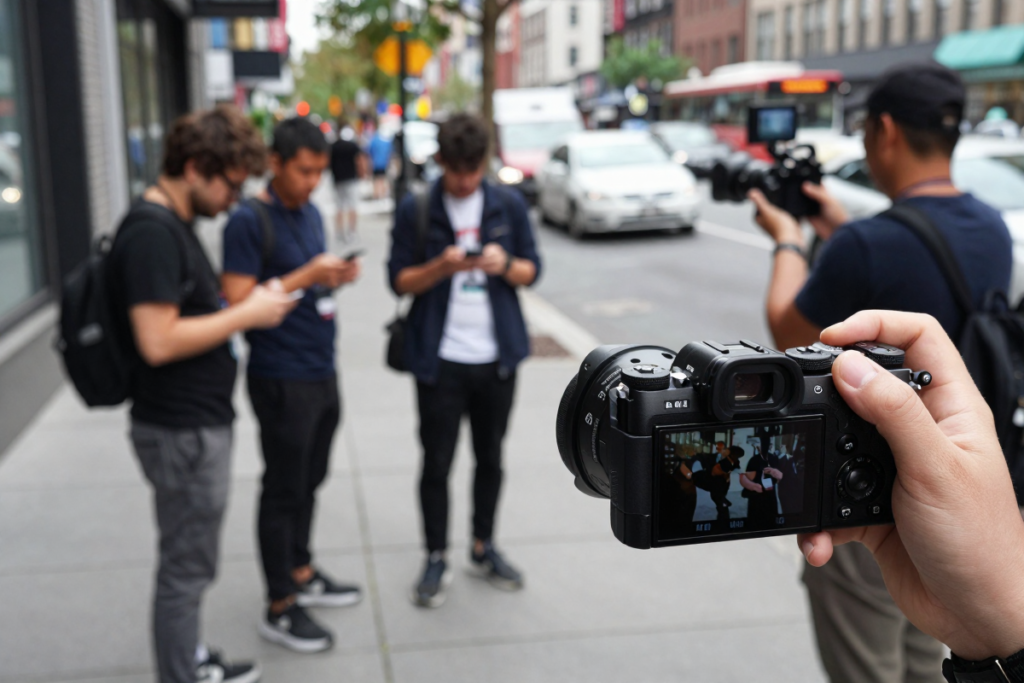
Guerrilla filmmaking is the practice of shooting quickly in real locations without formal permits, relying on speed, small crews, and inconspicuous equipment to stay under the radar. Think of it as “stealth filming” — hit-and-run production that captures authentic environments with minimal footprint.
Key guerrilla tactics:
- Keep your crew to the bare minimum — director, one camera operator, the cast
- Use equipment that matches the size of tourist gear
- Have a “one-take” mentality for public spaces — nail it fast and move on
- Scout your locations thoroughly in advance so there are no surprises
Important legal note: Technically, most public filming requires a permit, and filming without one carries real risks — including being asked to leave or having equipment searched. Guerrilla shoots are done at the filmmaker’s own risk. Always remain polite and cooperative if approached by officials, and research the specific rules for your city or region before shooting.
How to Get Permission for Free
For private locations — businesses, restaurants, unique spaces — simply ask. You’d be surprised how often the answer is yes, especially when you explain what you’re making and what you’re offering in return.
What to offer:
- An on-screen credit (“filmed on location at…”)
- A copy of the finished film
- Social media promotion
- A letter of reference or mention in your press materials
A genuine, professional approach — even in an email — goes a long way.
Step 4: Cast and Crew Without Paying

Work With Beginners (Who Want What You’re Offering)
Film students are actively looking for projects to add to their portfolios. Aspiring actors need reel footage. Emerging cinematographers want experience shooting real narratives. Your zero-budget production offers something genuinely valuable to the right people: a real project, real footage, and a real credit.
Where to Find People for Free
- Facebook Groups: Search “[your city] + filmmakers,” “indie film crew,” or “aspiring actors”
- Meetup.com: Local filmmaking and creative communities
- Backstage (free listings): Post casting calls at no cost
- Craigslist Creative Gigs: Still active and surprisingly effective
- Your local college or university: Film, theater, and media departments are goldmines
- Stage32.com: Free community of filmmakers, actors, and crew
How to Motivate a Free Team
Transparency is everything. Before anyone agrees to join your project, they need to know it’s no-budget. Set that expectation clearly and early — it ensures everyone arrives with the right mindset.
Beyond that, the “Chilli Principle” is the most cited piece of advice in zero-budget filmmaking communities: never skimp on food. Warm, quality meals on a shoot day communicate respect and professionalism. It keeps morale high and ensures people want to come back.
Other motivators:
- High-quality footage they can use for their demo reel
- IMDb credits (set up your project on IMDb before the shoot begins)
- Skill trading — offer to edit their footage in exchange for their camera work
- Profit participation — a small percentage of any future revenue the film generates
Step 5: Use Free Equipment (or What You Already Own)
Shoot With Your Smartphone
The modern smartphone camera is genuinely remarkable. Recent models from Apple and Samsung shoot in 4K with sophisticated computational imaging, log profiles, and cinematic frame rates. [How to Start Filmmaking with Just a Smartphone]
Smartphone filmmaking tips:
- Shoot in the highest resolution available
- Use a third-party camera app like Filmic Pro for manual controls
- Lock your exposure before every shot
- Use a gimbal or keep the phone completely still
Borrow Instead of Buying
Before you spend a single dollar on gear, exhaust every borrowing option. Ask:
- Friends who own cameras or audio equipment
- Local filmmakers in your community network
- College equipment lending programs (often available to the public for a small fee or free)
- Your local library (many now lend cameras and audio recorders)
DIY Gear Hacks
- Stabilization: Stack books on a table for static shots. Use a rolling office chair as a dolly. Duct tape your phone to a skateboard for tracking shots.
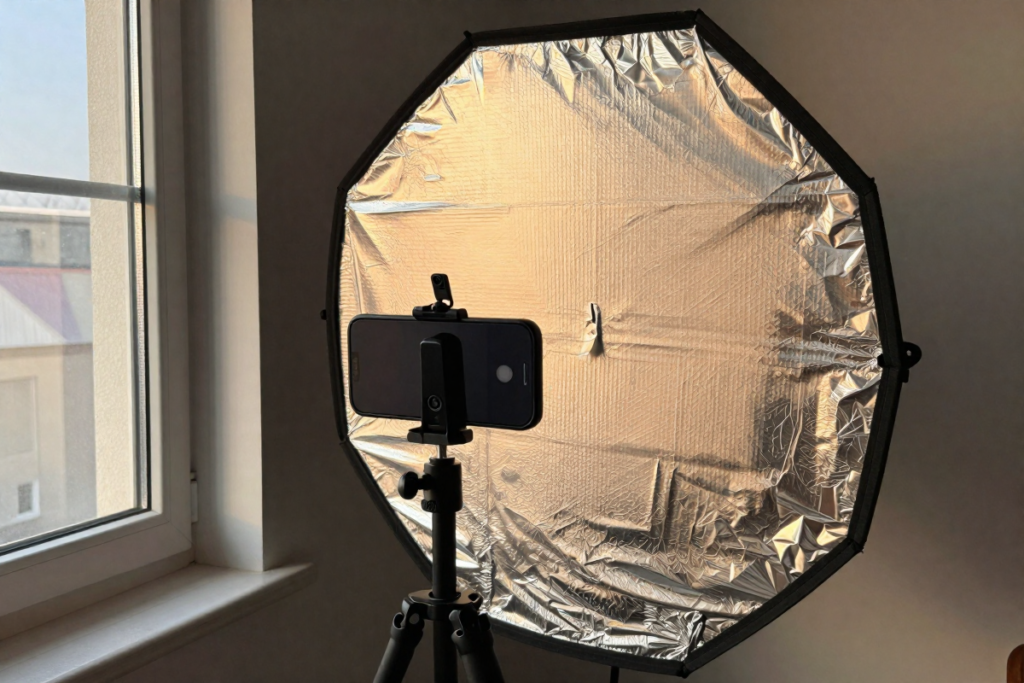
- Lighting: Natural light from a north-facing window is soft and beautiful. Shoot during golden hour (the hour after sunrise or before sunset) for cinematic warmth. Build a reflector from foil-wrapped cardboard to bounce and shape free light.
- Backgrounds: A plain white wall, a bookshelf, or a window can serve as compelling backdrops with zero cost.
Optional Gear Upgrades (When You’re Ready to Invest a Little)
If you do want to invest in one thing, the SEO report is clear — and so is every experienced indie producer: spend it on audio. A decent lavalier microphone can be the difference between a watchable film and an unwatchable one.
- [Budget lavalier microphone recommendation]
- [Entry-level external audio recorder]
- [Budget smartphone filmmaking kit]
Step 6: Plan Your Audio Without Spending Money
Here is the single most important technical principle in zero-budget filmmaking: audiences will forgive rough visuals. They will not forgive bad audio.
This is not an opinion — it is a near-universal consensus among independent filmmakers and the audiences who watch their work. Bad sound destroys the professional credibility of a project instantly.
Audio planning for zero budget:
- Location scout for sound, not just visuals — Listen for HVAC units, traffic, echo, and ambient noise
- Shoot dialogue scenes in soft, furnished rooms — Hard floors and bare walls create echo
- Record a “room tone” track at every location — 30 seconds of silence to help in post-production
- Use your phone’s built-in mic as a last resort — Get the phone as close to your subject as possible
Free audio editing tools:
- Audacity — Free, powerful, and cross-platform
- GarageBand (Mac/iOS) — Surprisingly professional for dialogue cleanup
- DaVinci Resolve’s Fairlight Audio — Included in the free version of the software
Step 7: Organize Your Shoot Day Like a Pro
Create a Call Sheet
A call sheet is a one-page document sent to your entire cast and crew the night before each shoot day. It tells everyone where to be, when to arrive, what to bring, and what you’re shooting.
What your call sheet needs:
- Date, location address, and parking information
- General crew call time and individual actor call times
- The scenes you’re shooting (scene numbers from the script)
- Emergency contact information
- What everyone should wear, bring, or prepare
Free call sheet tools:
- [StudioBinder free call sheet generator]
- Google Docs template (search “free film call sheet template”)
Time Management on Set
- Schedule backward from your last available light if shooting outdoors
- Add 30-minute buffers between major setups — they will always be needed
- Shoot your most complex or important scenes first when energy is highest
- Cut scenes before you cut people — if time runs short, simplify rather than rush
Backup Plans Are Non-Negotiable
On a zero-budget shoot, there is no money to fix problems. There is only planning.
- Weather: Have an indoor backup version of every exterior scene
- Actor no-shows: Have a contingency shot list of scenes that don’t require that person
- Equipment failure: Know which shots can be done on a smartphone if your primary camera fails
Step 8: Edit Your Film for Free
Free Editing Software Options
- DaVinci Resolve (Free) — The industry standard for color grading, with a full professional editing suite at no cost. The learning curve is real, but it’s worth it.
- CapCut (Free) — Beginner-friendly and surprisingly capable, especially for shorter projects
- iMovie (Free on Mac/iOS) — Great starting point for first-time editors
- OpenShot (Free) — Cross-platform and open-source with solid basic functionality
[INTERNAL LINK: Best Free Video Editing Software for Beginners]
Free Music and Sound Effects
- Free Music Archive (freemusicarchive.org) — Royalty-free tracks across all genres
- ccMixter — Creative Commons licensed music
- Pixabay Audio — Free sound effects and music for commercial use
- YouTube Audio Library — Consistently reliable and clearly licensed
When You’re Ready to Upgrade
- [Epidemic Sound subscription] — Premium royalty-free music for creators
- [Artlist music subscription] — High-quality licensed tracks for film
Common Mistakes to Avoid When Planning a Free Film Shoot
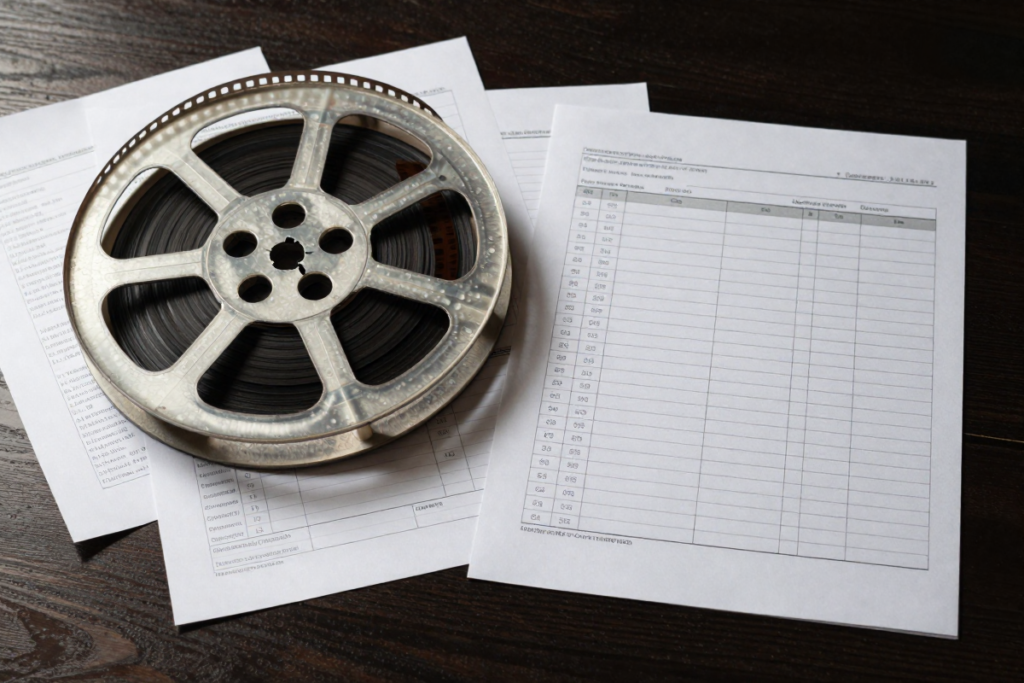
- Overcomplicating the story — Ambition is good; complexity that requires resources you don’t have is a trap
- Poor scheduling — Disorganized shoot days destroy crew morale and volunteer goodwill fast
- Ignoring audio — We cannot say this enough. Fix it in pre-production, not in post.
- Lack of clear communication — Every cast and crew member should know exactly what’s expected of them before they arrive on set
- Not getting location permission in writing — A quick email confirmation protects everyone
Pro Tips for Making Your No-Budget Film Look Professional
- Shoot during golden hour — The 60 minutes after sunrise and before sunset provide cinematic, soft, directional light for free
- Use depth of field — A blurred background (achieved by shooting close to your subject with a wide aperture or portrait mode) instantly elevates the visual quality
- Plan your blocking — Rehearse movement within the frame before the camera rolls. A static, posed shot reads as amateur; deliberate, motivated movement reads as professional
- Be consistent — Use the same color temperature and exposure settings within a scene to avoid mismatched cuts in editing
- Less is more — A single, well-composed shot is more powerful than three mediocre ones
How to Turn Your Film Into a Portfolio (and Potential Income)
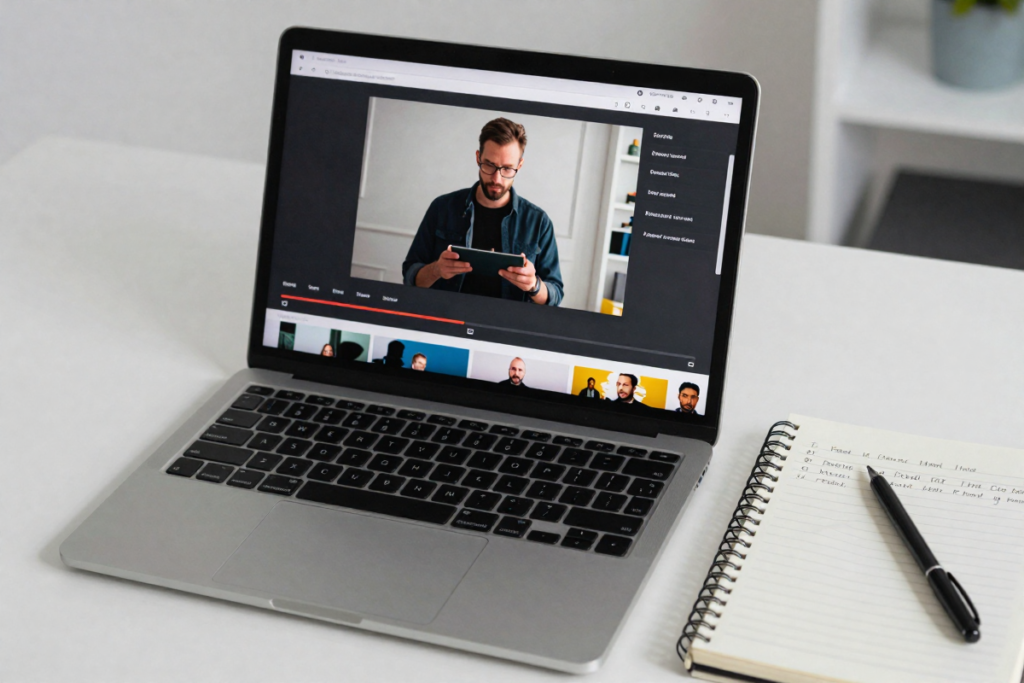
Your finished film is a calling card — but only if people can find it.
Free distribution and exposure:
- YouTube — Upload for immediate global reach and potential ad revenue
- Vimeo Free Tier — A more professional-looking home for your work when sharing with industry contacts
- Film Freeway — Submit to film festivals (many have free entry tiers, and short film categories often have waived fees)
Reaching streaming platforms:
- Filmhub — An aggregator that connects your film to Amazon Prime, Tubi, Roku, and others at no upfront cost. They operate on an 80/20 revenue split, meaning you only pay when you earn.
Using your film to land paid work:
- Create a short, curated highlights reel from your film for your director/cinematographer portfolio
- Share it directly with production companies, ad agencies, and local businesses that commission video content
- Your zero-budget short is proof you can execute — and that’s what clients pay for
Recommended Free & Paid Tools: Quick Reference
| Category | Free Option | Paid Upgrade |
|---|---|---|
| Scriptwriting | WriterDuet, Celtx Free | [FinalDraft] |
| Shot Lists & Scheduling | Google Sheets, StudioBinder Free | [StudioBinder paid] |
| Editing | DaVinci Resolve, iMovie | [DaVinci Resolve Paid] |
| Audio Recording | Phone mic, Audacity | [DJI Mic 3 Wireless Mic] |
| Music & SFX | Free Music Archive, YT Audio Library | [Artlist Music / Pond5 Sound Effects Library] |
| Camera | Your smartphone | [Filmic Pro app] |
| Distribution | YouTube, Vimeo Free, Filmhub | — |
Conclusion: You Don’t Need Money. You Need to Start.
Planning a film shoot without spending a dime is not a workaround or a compromise — it is a legitimate, repeatable methodology used by filmmakers who have gone on to build real careers. The “Backyard Blockbuster” mindset isn’t about settling for less. It’s about understanding that resourcefulness is the core filmmaking skill, and every constraint you overcome in pre-production makes you a sharper, more decisive director.
You have a camera in your pocket, free editing software at your fingertips, and a community of aspiring collaborators just waiting for someone to take the lead.
The only thing you’re waiting on is yourself.
Ready to start?
- 🎬 [How to Come Up with Movie Ideas That Don’t Need a Big Budget]
- 🎬 [How to Make Your Film Look Professional on a Budget]
Frequently Asked Questions

Is it really possible to plan a film shoot without any money?
Yes — with the right approach. The key is practicing “resource-first development,” meaning you write your script around the locations, people, and gear you already have access to for free. Meticulous pre-production planning replaces the budget that would otherwise “buy out” logistical problems.
What is the most important thing to invest in on a zero-budget film?
Audio gear. Audiences will forgive lo-fi visuals, but bad sound quality will immediately destroy the professional credibility of your project. If you can spend anything, spend it on a decent lavalier or external microphone.
How do I find actors who will work for free?
Be transparent about the budget from the start and offer genuine value: high-quality reel footage, IMDb credits, and a professional experience. Target film students, local drama groups, and aspiring actors in Facebook filmmaking communities who are actively looking for opportunities to build their portfolios.
Is guerrilla filmmaking legal?
It exists in a gray area. Most public filming technically requires a permit, and shooting without one carries risks including being asked to leave. Many indie creators shoot guerrilla-style in lower-enforcement areas, but always research local regulations and remain cooperative if approached by officials. When in doubt, ask for permission — the answer is often yes.
How do I distribute my film once it’s finished?
Start with free platforms like YouTube or Vimeo for immediate reach. For streaming distribution, Filmhub connects your film to Amazon Prime, Tubi, Roku, and more at no upfront cost, operating on a revenue-sharing model.
Disclaimer: This article contains affiliate links. If you purchase an item through the link I will earn a small commission at no extra cost to you.
Leave a Reply