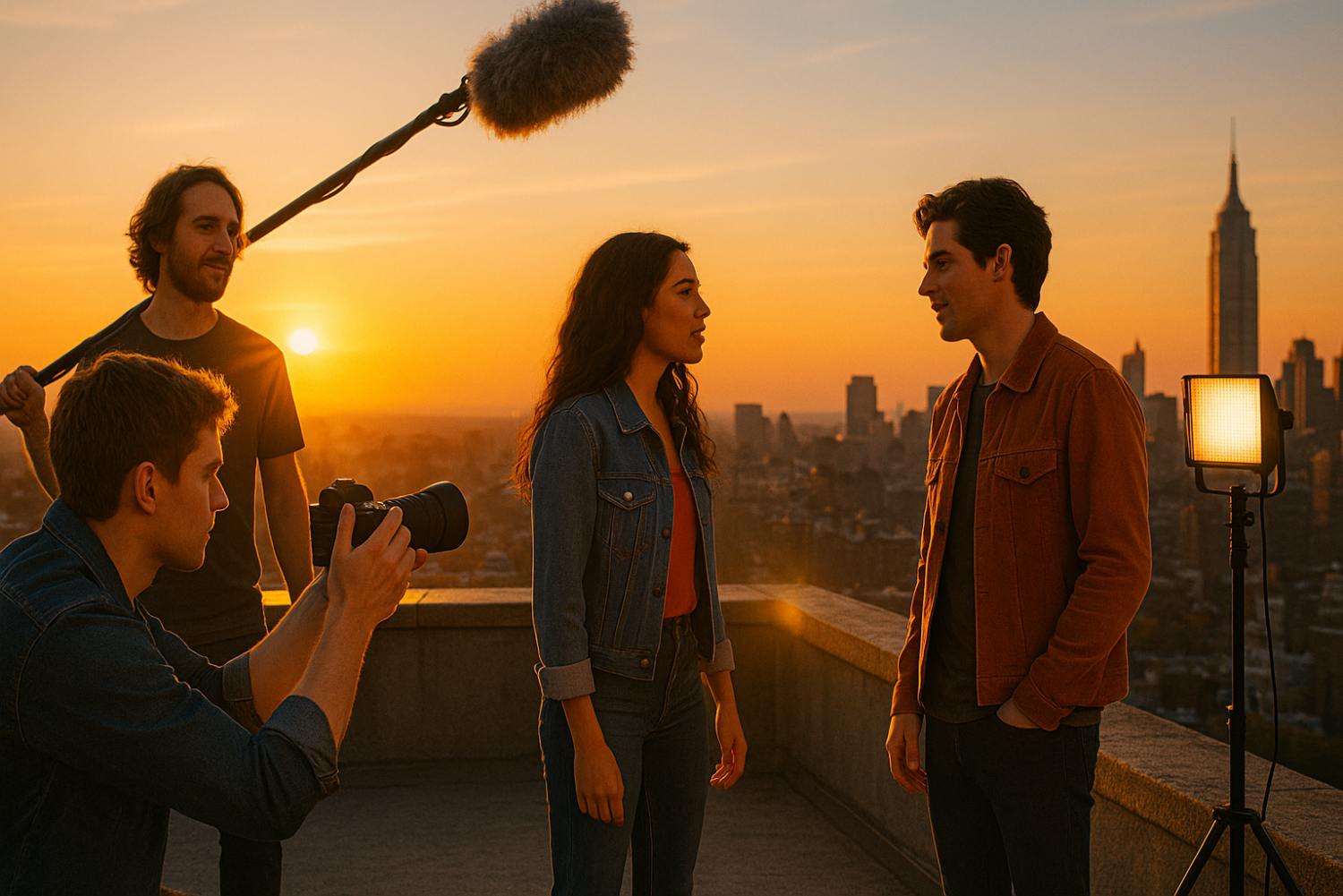
So you’ve got a story burning inside you and you’re ready to bring it to life on screen. That feeling — equal parts excitement and absolute terror — is something every filmmaker knows well. You’ve got ideas, you’ve got passion, and now you’re staring at a blank Amazon search bar wondering: what gear do I actually need to shoot my first short film?
Here’s the truth that film schools don’t always lead with: you don’t need Hollywood equipment to make a compelling short film. What you need is the right beginner filmmaker gear, a solid story, and the willingness to learn as you go.
This complete short film equipment list is designed specifically for first-time filmmakers working with real-world budgets. We’ll break down must-have essentials versus nice-to-have upgrades, walk through every major gear category, and give you three sample budget setups so you can start filming — not just planning.
What Gear Do You Actually Need to Start?
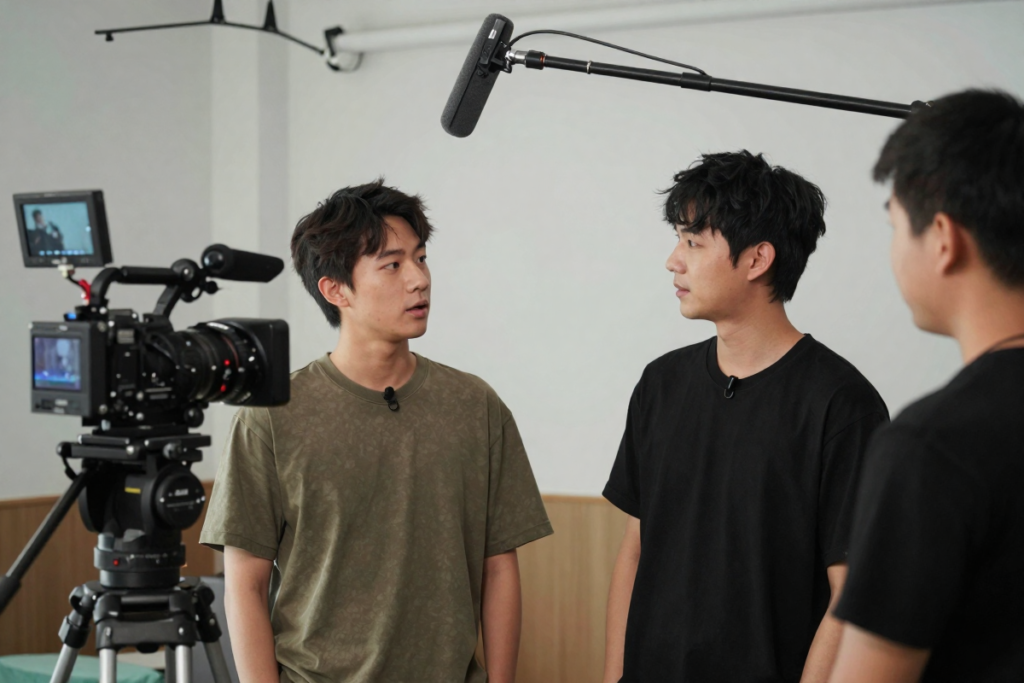
Before we dive into specific products, let’s establish the right mindset: story always comes before gear.
Some of the most celebrated short films in festival history were shot on consumer cameras with basic audio setups. Your audience will forgive a slightly soft image long before they’ll forgive bad sound or a weak story. Keep that in mind as you build your kit.
For this guide, we’ll separate every item into two clear categories:
- ✅ Must-Have Essentials — gear you truly need on set
- ⭐ Nice-to-Have Upgrades — gear that improves quality but can wait
Here’s your quick-glance short film production gear checklist:
| Category | Must-Have | Nice-to-Have |
|---|---|---|
| Camera | ✅ | — |
| Lens | ✅ | ⭐ Better glass |
| Microphone | ✅ | ⭐ Audio recorder |
| Lighting | ✅ | ⭐ Full 3-light kit |
| Tripod | ✅ | ⭐ Gimbal |
| Storage/Power | ✅ | ⭐ External monitor |
Camera: Your Foundation
DSLRs vs. Mirrorless vs. Smartphones
The most common question first-time filmmakers ask is: what camera should I buy for my first film project? The answer depends on your budget and how serious you are about continuing to film after this project.
DSLRs (like the Canon EOS Rebel series) are widely available, affordable used, and have massive lens ecosystems. They produce beautiful cinematic images but can have limitations like overheating during long takes and less effective autofocus during video.
Mirrorless cameras (like the Sony A7 series or Canon EOS R series) are increasingly the industry standard for indie filmmakers. They offer superior autofocus, better video specs, and more compact bodies. The trade-off is a higher price point.
Smartphones (iPhone 14 Pro and above, Samsung Galaxy S series) are genuinely capable of producing short film footage when paired with the right accessories. If you’re wondering can I shoot a professional-looking short film with a smartphone — yes, with proper lighting and audio, absolutely.
Recommended Budget Cameras for Short Films
Best for Beginners | Under $600
📷 [Canon EOS Rebel SL3]
A compact DSLR with 4K video, dual-pixel autofocus, and a flip-out touchscreen. Perfect for solo filmmakers who need to monitor themselves. Excellent low-light performance for its price point.
Best Mid-Range Option | $800–$1,200
📷 [Sony ZV-E10 or Sony A6400]
APS-C mirrorless sensors with fast autofocus, clean 4K footage, and a wide selection of affordable lenses. A favorite in the beginner filmmaker community for its video-first feature set.
Best Serious Starter | $1,500–$2,000
📷 [Sony A7C or Canon EOS R8]
Full-frame sensors that deliver exceptional low-light performance and a genuinely cinematic look. Both shoot 4K and offer professional-grade autofocus systems.
Lenses Matter More Than You Think
Here’s something many first-time filmmakers overlook: the lens you choose affects the look of your film more than almost anything else. A good lens on a modest camera will almost always outperform a poor lens on an expensive one.
For your first short film, start simple:
- 50mm prime lens — Often called the “nifty fifty,” it mimics natural human perspective and creates beautiful background blur (bokeh). Most brands offer an affordable version.
- Kit lens (18–55mm) — The lens that comes bundled with most cameras. More versatile than a prime, less cinematic, but totally serviceable for a first project.
📷 [Canon 50mm f/1.8 STM]
📷 [Sony 35mm f/1.8 OSS]
Audio Gear: The Most Overlooked Essential
If there is one hill worth dying on in this guide, it’s this one: bad audio will kill your short film faster than any camera limitation ever will.
Viewers will tolerate a slightly grainy image. They will turn off a video the moment dialogue becomes hard to understand. Audio quality matters more than video quality — and most beginner filmmakers spend 90% of their budget on camera and nothing on sound.
What Type of Microphone Is Best for Short Film Dialogue?
You have two essential options for capturing clean on-set audio:
Shotgun Microphones — These directional mics mount on top of your camera or attach to a boom pole held above your actors. They reject off-axis sound and isolate your subject’s voice. Best for most short film dialogue scenes.
🎙️ [Rode VideoMicro II] (Best Budget Option — under $80)
🎙️ [Rode VideoMic NTG] (Best Mid-Range Shotgun)
Lavalier (Lapel) Microphones — Small clip-on mics that attach to your actor’s clothing. Ideal for interview-style scenes or situations where a boom pole isn’t practical. Less natural-sounding than a shotgun but very reliable.
🎙️ [Rode Wireless GO II] (Best wireless lav system for beginners)
Portable Audio Recorders — If you want to take your audio to the next level, a standalone recorder like the Zoom H5 captures audio separately from your camera at a much higher quality. You’ll sync audio in post using a clapperboard — which adds a professional workflow touch.
Lighting: Make Your Short Film Look Cinematic
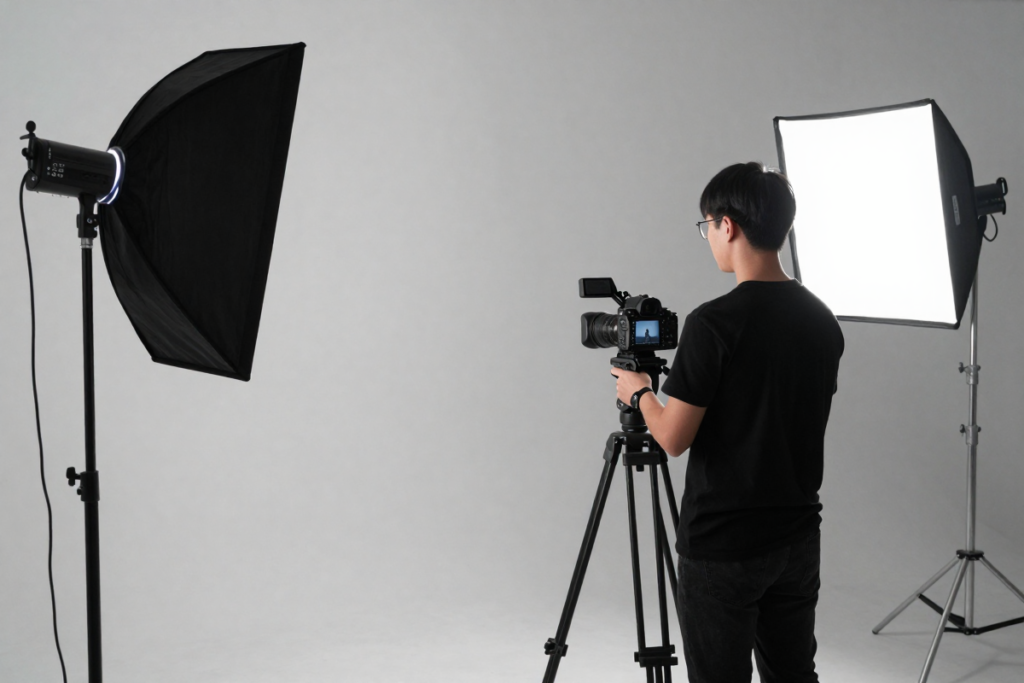
Nothing separates amateur footage from professional-looking work quite like lighting. The good news? You don’t need an expensive Hollywood lighting package to achieve a cinematic look.
Natural Light vs. Artificial Light
Natural light is free and powerful, but it’s also unpredictable. Cloud cover changes, golden hour lasts only minutes, and shooting indoors near a window gives you beautiful results only part of the day. For a tightly scheduled short film shoot, you need some control over your light.
The sweet spot for beginner filmmakers is learning to combine natural light with one or two affordable artificial lights to fill shadows and create consistency across your shots.
Essential Lighting Gear for Short Film Production
LED Panels — Bright, energy-efficient, and adjustable for color temperature. The workhorse of indie film sets. Look for bi-color panels that let you shift between warm and cool tones.
Softboxes — Fabric diffusion boxes that attach to a light source and spread light evenly. They create the flattering, soft look you see in professional productions and dramatically reduce harsh shadows.
Reflectors — Collapsible reflective panels that bounce natural or artificial light onto your subject. An inexpensive but powerful tool for filling shadows without adding another light source.
💡 [Neewer 2-Pack LED Video Light Kit] (Best budget starter kit)
💡 [Aputure Amaran 60x Bi-Color LED Panel] (Best mid-range upgrade)
💡 [Neewer 5-in-1 Collapsible Reflector Disc]
Pro Lighting Hack: A simple white foam board purchased from any dollar store works as a budget-friendly reflector or bounce card. Experienced filmmakers use them constantly on low-budget sets.
Stabilization: Say Goodbye to Shaky Footage
Shaky, unstabilized footage is one of the most immediate tells of an amateur production. The solution doesn’t have to be expensive.
Essential Stabilization Tools
Tripod (Must-Have) — A sturdy tripod with a fluid head (which allows smooth panning and tilting) is non-negotiable for your first short film. Avoid cheap, wobbly tripods — they’ll cause more frustration than they’re worth.
🎬 [Manfrotto Befree Advanced Travel Tripod] (Best for beginners)
🎬 [Amazon Basics 60-Inch Lightweight Tripod] (Ultra-budget option)
Gimbal (Nice-to-Have) — A motorized gimbal stabilizer lets you capture smooth, professional-looking walking shots. It’s genuinely impressive technology, but it has a learning curve. Great for your second or third project once you’ve mastered static shots.
🎬 [DJI OM 6 (for smartphones)]
🎬 [DJI Ronin SC2 (for mirrorless cameras)]
Shoulder Rig — A camera rig that distributes weight across your shoulder, allowing for stable handheld shots with natural movement. A great middle ground between a tripod and a gimbal.
Essential Accessories You Shouldn’t Skip
Storage & Power
- SD Cards — Use at minimum a Class 10 / UHS-I card for 1080p, or a UHS-II card for 4K. Speed matters. Running out of storage mid-shoot is completely avoidable.
💾 [SanDisk Extreme Pro 128GB SD Card] - Extra Batteries — Always bring at least two fully charged batteries. Camera batteries die faster than you expect, especially in cold weather.
🔋 [Replacement Battery Pack for Your Camera Model] - External Hard Drive — Back up all your footage immediately after each shoot day. Follow the 3-2-1 rule: three copies, on two different media, with one stored off-site.
💾 [Samsung T7 Portable SSD]
On-Set Must-Haves
- ND Filters — Neutral density filters reduce the amount of light entering your lens, allowing you to use wider apertures in bright conditions for that cinematic shallow depth of field look.
📷 [K&F Concept Variable ND Filter] - Camera Bag — Protect your investment. A well-organized camera bag keeps you efficient and professional on set.
- Cables and Adapters — HDMI cables, audio adapters, and USB-C cables. Pack extras. They always get lost.
Monitoring Tools
- Headphones — Essential for monitoring your audio during recording. If your camera has a headphone jack, use it.
🎧 [Sony MDR-7506 Professional Headphones] - External Monitor — A small field monitor gives you a larger, more accurate view of your image while shooting. A nice-to-have upgrade for your second or third project.
Editing Software: Bringing It All Together
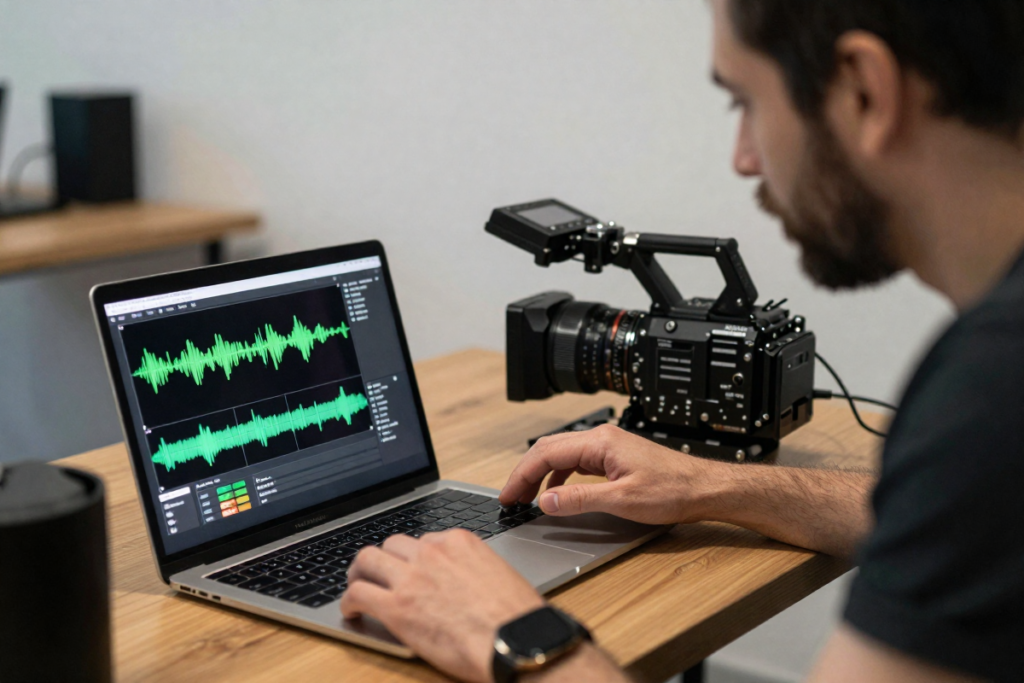
Your film lives or dies in the edit. The good news is that some of the best editing software available is completely free.
| Software | Cost | Best For |
|---|---|---|
| DaVinci Resolve | Free / $295 Studio | Color grading + professional editing |
| CapCut | Free | Quick edits, smartphone footage |
| iMovie | Free (Mac) | Total beginners |
| Adobe Premiere Pro | ~$55/month | Industry standard, subscription |
| Final Cut Pro | $299 one-time (Mac) | Mac users, fast rendering |
Our recommendation for beginners: Start with DaVinci Resolve Free. It’s used by professional filmmakers on major productions, the free version is extraordinarily capable, and the skills you build will transfer directly to professional environments.
Basic Computer Requirements: Look for at least 16GB of RAM, a dedicated graphics card, and an SSD for your project files. Editing 4K footage on an underpowered machine is a painful experience.
Sample Budget Setups for Your First Short Film
🎬 Ultra-Budget Setup: $300–$500
Best for: Complete beginners, testing the waters
- Camera: Your smartphone (iPhone or Android flagship) — $0 additional cost
- Lens Add-On: MIAO Labs clip-on lens
- Audio: Rode Wireless GO II or wired lav mic
- Lighting: Natural light + one reflector disc
- Stabilization: Budget tripod
- Storage: 128GB SD/phone storage + external drive
- Software: DaVinci Resolve (free)
🎬 Beginner Filmmaker Setup: $500–$1,500
Best for: First-time filmmakers ready to invest in reusable gear
- Camera: Canon EOS Rebel SL3 or Sony ZV-E10
- Lens: Sony 50mm prime or Canon 50mm prime
- Audio: Rode VideoMicro II + lavalier mic
- Lighting: Neewer 2-light LED kit
- Stabilization: Manfrotto or Amazon Basics fluid head tripod
- Storage: SanDisk Extreme Pro SD cards (×2) + portable SSD
- Software: DaVinci Resolve (free)
🎬 Serious Starter Setup: $1,500+
Best for: Filmmakers committed to the craft long-term
- Camera: Sony A7C or Canon EOS R8
- Lenses: 35mm + 50mm prime
- Audio: Rode VideoMic NTG + Zoom H5 recorder + Rode Wireless GO II
- Lighting: Aputure Amaran 3-light kit
- Stabilization: Manfrotto fluid head tripod + DJI Ronin SC2
- Monitor: Small HD or Feelworld field monitor
- Storage: UHS-II SD cards + 2TB Samsung T7 SSD
- Software: DaVinci Resolve Studio (Advanced Paid Version)
Common Mistakes Beginners Make (And How to Avoid Them)
- Overspending on camera, ignoring audio — The single most common and most costly mistake. Prioritize audio gear before upgrading your camera body.
- Buying too much gear too soon — Resist the urge to purchase everything at once. Master one piece of equipment before adding another.
- Not testing gear before the shoot day — Run every piece of equipment through a full test at home before you arrive on set. Dead batteries and unfamiliar menu systems should never be a day-of surprise.
- Ignoring lighting fundamentals — Even a basic understanding of three-point lighting will transform the look of your footage. Spend an afternoon learning before you shoot.
- Skipping the lens investment — Many first-time filmmakers buy an expensive camera body and use only the kit lens. A $100–$200 prime lens will do more for your image than doubling your camera budget.
Tips for Choosing the Right Filmmaking Gear
- Prioritize versatility — Choose gear that works across multiple projects and genres
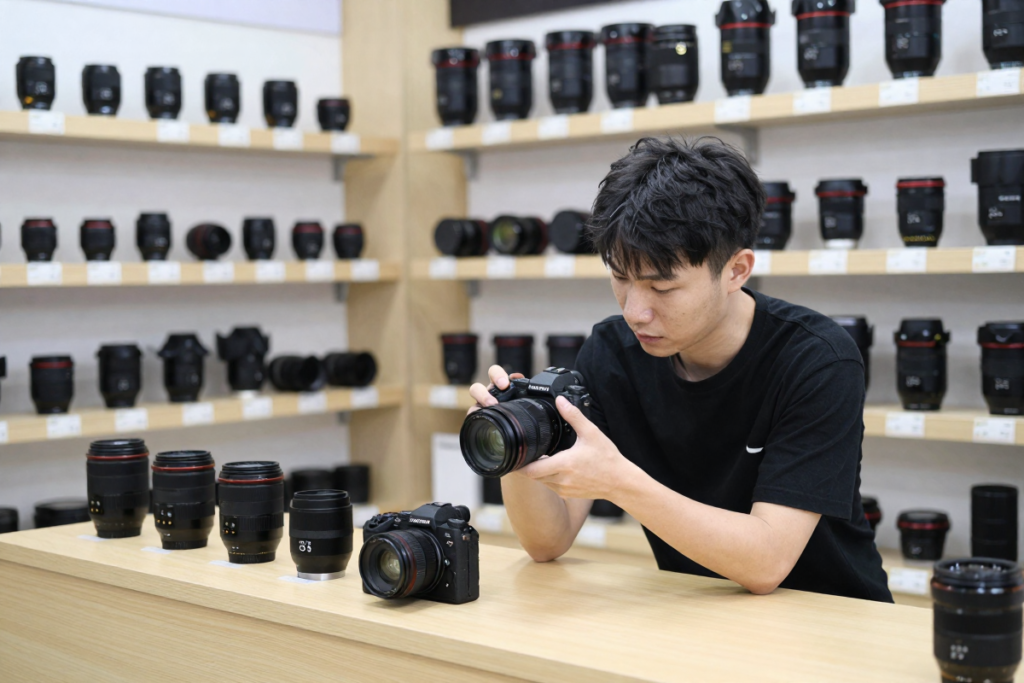
- Rent before you buy — Most camera rental shops offer weekend rates. Rent an expensive piece of gear before committing to a purchase
- Buy used gear safely — Reputable sources include KEH Camera, B&H Used, and MPB. Check return policies and condition ratings carefully
- Think about your upgrade path — Choose a camera system (Sony E-mount, Canon RF) with a large lens ecosystem so your lenses remain useful as you upgrade bodies
Frequently Asked Questions
What is the most important gear for a short film?
If you can only prioritize two things, prioritize audio and lighting. A dedicated microphone — even a basic shotgun mic — and a single LED light panel will elevate your short film more dramatically than any camera upgrade.
Can I shoot a short film on a smartphone?
Absolutely. Modern flagship smartphones capture stunning footage when paired with proper audio and lighting equipment. Many award-winning short films have been shot entirely on iPhones. The limiting factor is almost never the camera.
How much does it cost to make a short film?
Your equipment budget for a first short film can realistically range from $300 (smartphone-based setup) to $1,500+ (dedicated camera system). Production costs like locations, costumes, and food for your cast and crew are separate considerations.
Do I need professional lighting for my short film?
You don’t need professional cinema lights, but you do need to think intentionally about light. A two-light LED kit paired with a good reflector and an understanding of basic lighting principles will produce genuinely impressive results on a modest budget.
Should I rent or buy filmmaking equipment for my first project?
For a single project, renting can be a smart move — especially for expensive items like gimbals or high-end cameras. If you plan to continue making films, investing in a versatile beginner kit will pay for itself quickly.
You Have Everything You Need to Start Filming Today
Here’s the most important thing to take away from this guide: the barrier to making your first short film has never been lower. The equipment available at entry-level price points today would have cost tens of thousands of dollars just fifteen years ago.
Stop waiting for the perfect camera. Stop convincing yourself you need one more piece of gear. Build a kit that matches your current budget, grab your script, and start shooting.
Your first short film won’t be perfect — and it absolutely doesn’t need to be. What it needs to be is made.
Have questions about any of the gear mentioned here, or want to share what you used for your first film? Drop a comment below — we’d love to hear about your filmmaking journey.
Disclosure: This post contains affiliate links. If you purchase through our links, we may earn a small commission at no additional cost to you. We only recommend gear we genuinely believe in for beginner filmmakers.
Leave a Reply