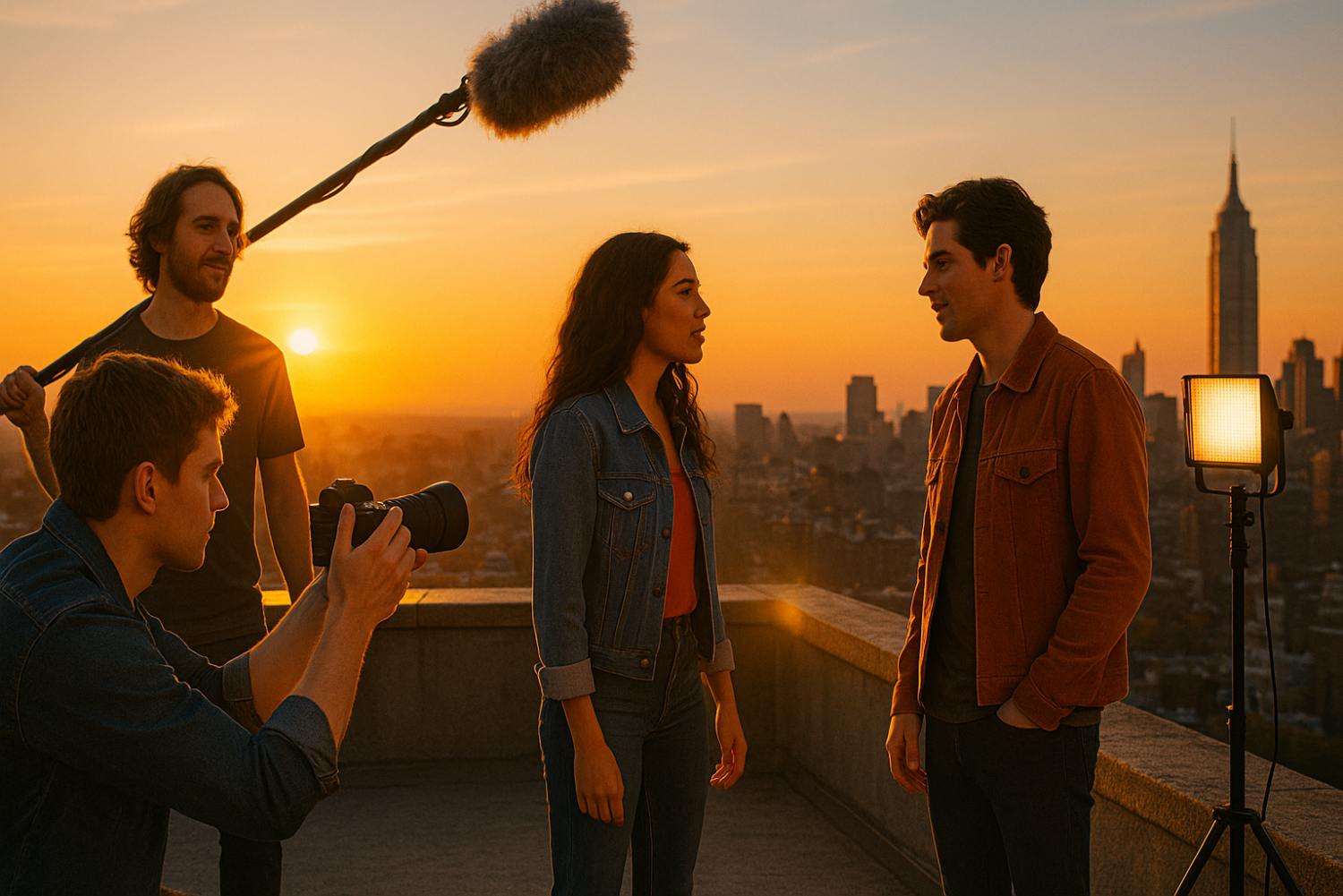
Making a short film sounds simple in theory—after all, it’s short, right? But if you’ve ever tried producing one yourself, you know the reality is far different. Most aspiring filmmakers drastically underestimate the time investment required to bring a short film from concept to completion.
I’ve seen countless beginners assume they can knock out a quality short film over a weekend, only to find themselves still editing months later. The truth is, making a short film typically takes anywhere from 2 weeks to 6+ months, depending on numerous factors including budget, crew size, and production complexity.
In this comprehensive guide, I’ll break down exactly how long each phase of short film production really takes, what variables affect your timeline, and how you can optimize your workflow without sacrificing quality. Whether you’re making your first short film or planning your tenth, understanding realistic timelines is crucial for actually finishing your project.
Quick Answer: How Long Does It Take to Make a Short Film?
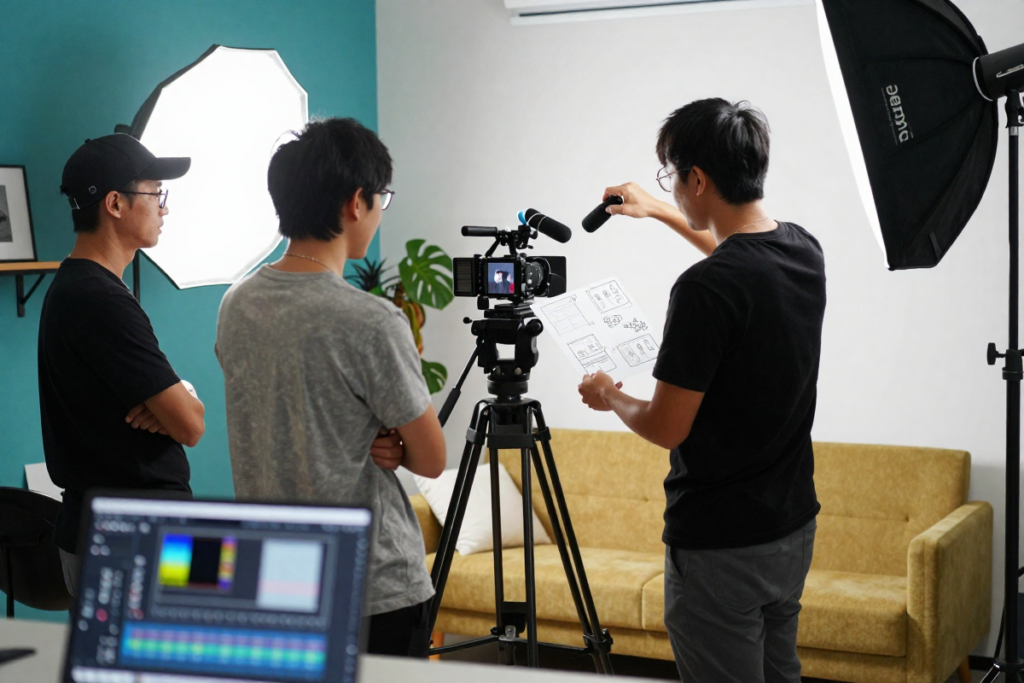
Most short films take between 1 to 6 months to complete from start to finish, though this varies significantly based on scope and resources. Here’s the basic breakdown:
- Pre-production: 2 weeks to 3 months
- Production (filming): 1 day to 2 weeks
- Post-production: 2 weeks to 3+ months
Key variables that affect your timeline include:
- Budget availability and constraints
- Crew size and experience level
- Script complexity and film length
- Number of locations and actors
- Technical requirements (VFX, stunts, specialized equipment)
Now let’s dive deeper into what actually happens during each phase and how long you should realistically plan for each stage.
Pre-Production Timeline (2 Weeks to 3 Months)
Pre-production is where most beginners try to cut corners—and where most projects run into trouble later. This planning phase determines everything that follows.
Writing the Script (3 Days to 6 Weeks)
The screenwriting phase varies wildly based on your process and experience:
- Initial concept and outline: 1-3 days
- First draft: 3-7 days for a simple short
- Rewrites and revisions: 1-4 weeks (sometimes longer)
Realistic expectation: Most writers spend 2-4 weeks on a short film script, though perfectionism and endless rewrites can extend this significantly. The key is knowing when your script is “good enough” to move forward—you can always make small adjustments during production.
Common delays: Writer’s block, overcomplicating the story, seeking too much feedback, waiting for inspiration rather than writing consistently.
👉 [START WRITING TODAY: Final Draft screenwriting software]
👉 [LEARN HERE: Screenwriting course]
Planning & Storyboarding (1-3 Weeks)
Once your script is solid, visual planning begins:
- Shot lists: 2-5 days
- Storyboards: 3-10 days (depending on detail level)
- Floor plans and technical planning: 2-4 days
Why this matters: Every hour spent planning typically saves 3-5 hours during production. A clear shot list prevents wasting time on set trying to figure out what to shoot next. Storyboards help you visualize pacing and identify potential problems before you’re paying a crew.
Time-saving tip: You don’t need perfectly drawn storyboards. Simple stick figures or even photo storyboards using your phone can work just as well for planning purposes.
👉 [START PLANNING: Storyboarding with Storyboarder]
👉 [HELPFUL TOOLS: iPad or drawing tablet for digital storyboarding]
Casting & Location Scouting (1-4 Weeks)
Finding the right actors and locations often takes longer than expected:
Casting timeline:
- Posting casting calls: 1 day
- Reviewing submissions: 3-7 days
- Scheduling and conducting auditions: 1-2 weeks
- Making final selections and confirming availability: 3-5 days
Location scouting timeline:
- Identifying potential locations: 3-7 days
- Visiting and photographing locations: 1-2 weeks
- Securing permissions and permits: 1-3 weeks
- Finalizing logistics (parking, power access, etc.): 3-5 days
Realistic expectation: Budget at least 3-4 weeks for casting and locations combined, more if you need specialized spaces or professional actors with busy schedules.
Challenge: Coordinating multiple people’s availability becomes exponentially harder as your cast and crew size increases. What seems like a simple scheduling task can consume surprising amounts of time.
Budgeting & Gear Preparation (3-10 Days)
Equipment preparation depends heavily on whether you’re renting, borrowing, or own your gear:
- Creating a detailed budget: 1-2 days
- Securing funding (if needed): 1-6 weeks
- Reserving rental equipment: 2-5 days
- Testing and prepping owned gear: 1-3 days
Pro tip: Always build in buffer time for technical testing. The time to discover your microphone doesn’t work properly is before your shoot day, not during it.
👉 [CAMERA: Budget-friendly camera Blackmagic Pocket]
👉 [LIGHTING: Lighting kit for beginners]
👉 [SOUND: Shotgun microphone and audio recorder]
Production Timeline (1 Day to 2 Weeks)

Production—the actual filming—is typically the shortest phase of making a short film, which surprises many beginners.
Filming the Short Film
Typical shooting schedules:
- Simple 5-minute short: 1-2 days
- Standard 10-minute short: 2-4 days
- Complex 15-20 minute short: 5-10 days
What affects shooting duration:
- Number of locations – Each location change adds 1-3 hours for moving equipment and setting up
- Scene complexity – Dialogue scenes shoot faster than action sequences or scenes requiring special effects
- Lighting requirements – Natural light shoots move faster than complex lighting setups
- Shot count – More coverage means more shooting time
Daily filming capacity: A typical indie short film crew can realistically shoot 3-5 script pages per day. Professional crews might shoot 5-8 pages daily, while beginners often manage only 1-3 pages.
Common On-Set Delays
Even well-planned shoots face unexpected delays:
- Technical issues: Camera problems, audio interference, equipment malfunctions (add 10-30% to your schedule)
- Weather changes: Outdoor shoots are always vulnerable (have a backup plan)
- Actor availability: Scheduling conflicts, late arrivals, or performers needing more takes than expected
- Location issues: Unexpected noise, lighting changes, or access problems
Reality check: Most first-time filmmakers underestimate their shooting schedule by 30-50%. If you think you need one day, plan for two. Your future self will thank you.
👉 [DON’T FORGET: Backup batteries and memory cards]
👉 [WORK LIGHTS ARE GREAT: Portable lighting for quick setups]
Post-Production Timeline (2 Weeks to 3+ Months)
Post-production is where many short films die. It’s the longest phase and the easiest to perpetually postpone.
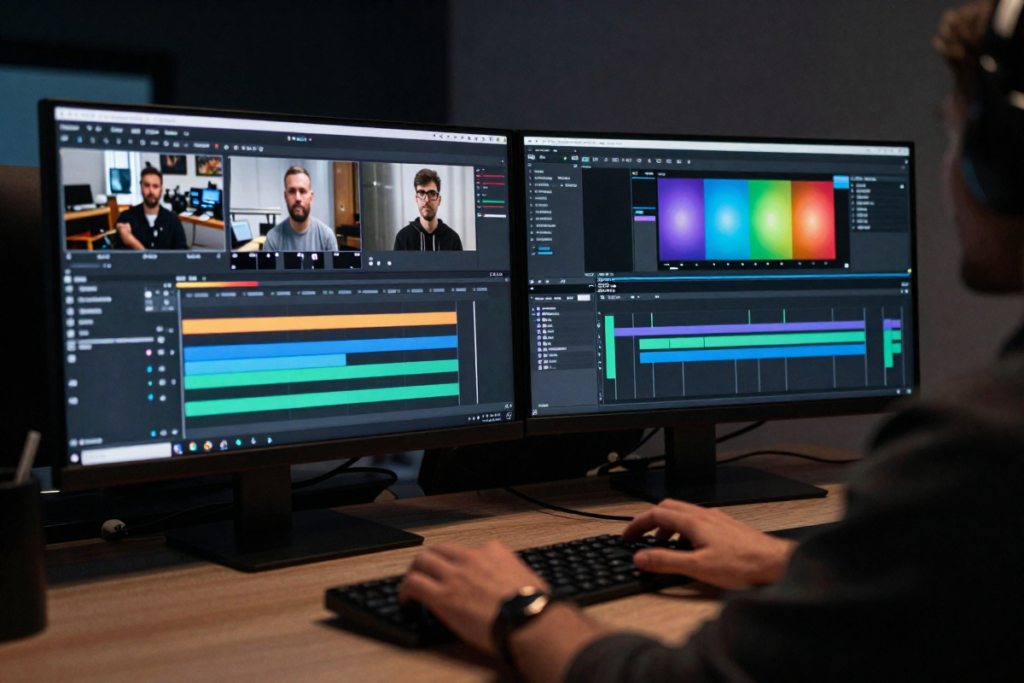
Video Editing (1-6 Weeks)
The editing timeline breaks down into distinct phases:
Rough cut (assembly edit): 3-7 days
- Organizing footage: 1-2 days
- Creating basic scene assembly: 2-5 days
Fine cut: 1-3 weeks
- Refining pacing and performance: 5-10 days
- Adding transitions and basic effects: 2-5 days
- Incorporating feedback: 3-7 days
Final cut (picture lock): 3-7 days
- Final refinements: 2-4 days
- Preparing for sound and color: 1-3 days
Factors that extend editing time:
- Extensive footage to review
- Complex narrative structure
- Visual effects integration
- Multiple revision rounds
- Limited editing experience
Realistic expectation: A 10-minute short film typically requires 3-5 weeks of editing for a polished result. Experienced editors might work faster, but beginners often need 6-8 weeks.
👉 [HIGHLY RECOMMENDED: DaVinci Resolve Studio]
👉 [A MUST FOR EDITING: High-performance laptop for video editing (Mac Book Pro for Apple Users or MSI Raider 18HX for Windows Users)]
👉 [THE BIGGER THE BETTER: External SSD for fast footage access]
Sound Design & Music (1-3 Weeks)
Audio post-production is consistently underestimated by new filmmakers:
- Dialogue cleanup and ADR: 3-7 days
- Sound effects design: 5-10 days
- Music selection or composition: 3-14 days
- Final mixing: 2-5 days
Why audio takes time: Every scene needs ambient sound, Foley effects, dialogue balancing, and music integration. Professional-sounding audio requires meticulous attention to detail.
Time-saving option: Using royalty-free music and pre-made sound effects libraries can cut weeks from your timeline compared to custom composition.
👉 [CINEMATIC MUSIC: Royalty-free music services like Artlist or Epidemic Sound]
👉 [HIGH QUALITY SOUNDS: Sound effects libraries]
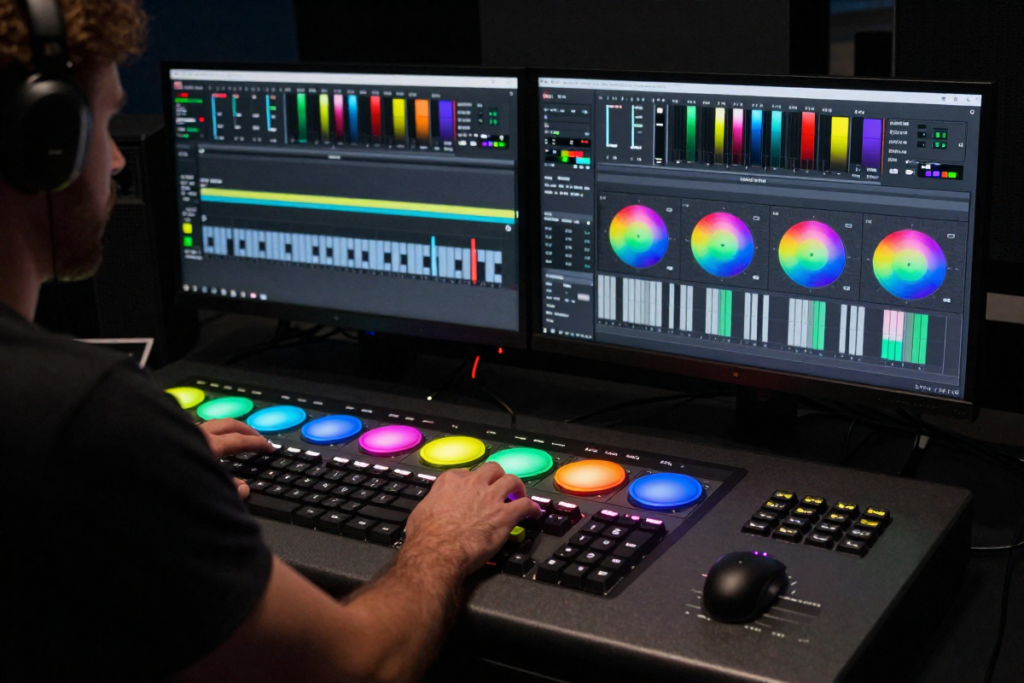
Color Grading & Final Touches (3-10 Days)
The final polish phase includes:
- Color correction: 2-4 days
- Creative color grading: 2-5 days
- Title design and credits: 1-2 days
- Final exports and formatting: 1 day
Realistic expectation: Plan for at least one week of final post-production work. Color grading especially requires fresh eyes—you’ll need to step away and return to the project multiple times.
Real-Life Timeline Examples
Let’s look at realistic timelines for different filmmaking scenarios:
Beginner Filmmaker (Solo or Small Team)
Total time: 2-4 months
- Pre-production: 4-6 weeks
- Production: 2-4 days
- Post-production: 6-10 weeks
Why it takes longer: Learning curve for new software, limited resources requiring creative problem-solving, balancing filmmaking with other commitments.
Experienced Indie Filmmaker
Total time: 6-12 weeks
- Pre-production: 3-4 weeks
- Production: 3-5 days
- Post-production: 4-6 weeks
Efficiency factors: Established workflows, owned equipment, experienced crew, realistic scheduling.
Professional-Level Short
Total time: 4-12+ months
- Pre-production: 2-3 months
- Production: 1-2 weeks
- Post-production: 2-4 months
Extended timeline reasons: Festival submission strategy, perfectionist approach, complex VFX work, professional sound design and color grading, multiple feedback rounds.
What Affects How Long It Takes?
Understanding the variables helps you estimate your own timeline more accurately:
Budget
- No-budget ($0-500): Longest timeline due to borrowing equipment, waiting for free crew availability, doing everything yourself
- Micro-budget ($500-5,000): Moderate timeline with some rental gear and potentially paid specialists
- Professional budget ($5,000+): Faster timeline with dedicated crew, proper equipment, and efficient workflows
Experience Level
- First short film: Add 50-100% to estimated timelines
- 3-5 films completed: Add 25-50%
- Experienced filmmaker: Timeline estimates become accurate
Team Size
- Solo filmmaker: Everything takes longer but scheduling is simpler
- 2-3 person crew: Significant time savings with minimal coordination challenges
- 5+ person crew: Faster production but more complex scheduling
Film Length
- Under 5 minutes: Quickest turnaround, possibly 2-6 weeks total
- 5-10 minutes: Standard timeline, 1-3 months
- 10-20 minutes: Extended timeline, 2-6 months
- Over 20 minutes: Approaches feature territory, 4-12+ months
Complexity Factors
Each of these adds significant time:
- Visual effects or CGI
- Period pieces requiring costumes/production design
- Stunts or action sequences
- Large cast or crowd scenes
- Multiple locations
- Night shooting
- Dialogue in foreign languages requiring subtitles
How to Speed Up the Process (Without Sacrificing Quality)
Want to work faster without compromising your vision? Here are proven strategies:
1. Plan More, Shoot Less
Counterintuitively, spending more time in pre-production makes everything else faster. A detailed shot list means no wasted time on set wondering what to film next.
2. Use Templates and Workflows
Don’t reinvent the wheel:
- Save shooting schedule templates
- Create standard folder structures for projects
- Build editing template projects
- Develop checklists for each production phase
3. Keep the Story Simple
Your first short film doesn’t need:
- Multiple locations
- Large cast
- Complex VFX
- Intricate plot twists
Focus on doing one thing exceptionally well rather than many things adequately.
4. Batch Similar Tasks
- Film all scenes at one location consecutively
- Record all ADR in a single session
- Color grade all scenes with similar lighting together
- Export all social media formats simultaneously
5. Set Firm Deadlines
Without external deadlines, post-production expands indefinitely. Create accountability:
- Enter film festivals with submission deadlines
- Schedule a premiere screening
- Announce a release date publicly
- Join filmmaker accountability groups
👉 [Project management tools like Trello or Asana]
👉 [Online filmmaking courses for workflow optimization]
Recommended Tools & Gear for Faster Filmmaking
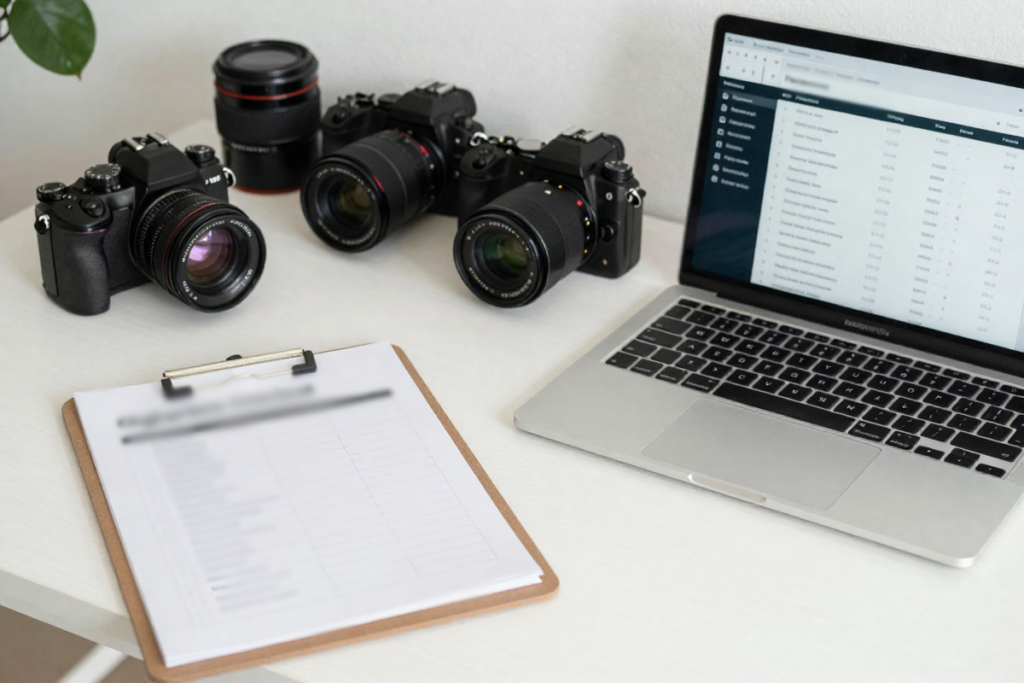
The right tools genuinely save time. Here’s what actually makes a difference:
Beginner Kit (Under $1,500)
Camera:
- Smartphone with quality camera (iPhone 13+, Samsung S21+)
- OR entry DSLR/mirrorless (Canon M50, Sony A6400)
👉 [Canon M50 Mark II]
👉 [Smartphone filmmaking kit]
Essential accessories:
- Tripod with fluid head
- Shotgun microphone
- Basic LED light panel
👉 [Budget tripod with fluid head]
👉 [Rode VideoMic]
👉 [Affordable LED panel light]
Intermediate Setup ($1,500-$5,000)
- Mirrorless camera (Sony A7III, Canon R6)
- Prime lens set (35mm, 50mm)
- Wireless microphone system
- 3-point lighting kit
- Gimbal stabilizer
👉 [Sony A7III body]
👉 [Rode Wireless Go II]
👉 [Neewer lighting kit]
Editing & Software Essentials
Free options:
- DaVinci Resolve (editing and color)
- Audacity (audio editing)
Professional options:
- Adobe Creative Cloud (Premiere Pro, After Effects, Audition)
- Final Cut Pro X (Mac only)
👉 [Adobe Creative Cloud subscription]
👉 [DaVinci Resolve Studio upgrade]
Critical storage:
- Fast external SSD for editing
- Backup hard drives (follow 3-2-1 backup rule)
- Cloud storage for project files
👉 [Samsung T7 external SSD]
👉 [Backup hard drive]
Mistakes That Add Months to Your Timeline

Avoid these common pitfalls that derail productions:
1. Skipping Pre-Production
“We’ll figure it out on set” is the battle cry of projects that never get completed. Every decision you postpone becomes a time-consuming crisis during production or post-production.
2. Poor Audio Planning
Bad audio can’t be fixed easily in post. Spending an extra day on quality sound recording saves weeks of frustrating cleanup attempts. Many filmmakers have abandoned otherwise good projects due to unusable audio.
3. Overcomplicating the Script
That ambitious 15-location epic might be a great idea for your tenth short film, not your first. Complexity grows exponentially, not linearly. Two locations aren’t twice as hard as one—they’re four times as hard.
4. Not Backing Up Footage
Losing footage to a hard drive failure means reshooting—if your actors and locations are even still available. This single mistake can turn a 2-month project into a 6-month nightmare.
Minimum backup protocol:
- Immediate backup on set to two separate drives
- Never delete original card footage until project is complete
- Maintain cloud backup of critical files
5. Endless Revision Syndrome
Perfectionism is the enemy of completion. At some point, you must decide your film is finished. Set a maximum number of revision rounds (3-4 is reasonable) and stick to it.
Frequently Asked Questions
How long does it take to edit a short film?
Editing a 10-minute short film typically takes 3-6 weeks for a complete edit from rough cut to picture lock. Simple dialogue-heavy films may take less time (2-3 weeks), while complex narratives with effects can extend to 8-10 weeks.
Can you make a short film in a weekend?
Yes, but with significant limitations. Weekend short films (48-hour film challenges exist for this reason) require extensive pre-production planning, a simple concept, minimal locations, small cast, and realistic expectations about polish. These projects work best as learning exercises rather than portfolio pieces.
What’s the hardest part of making a short film?
For most filmmakers, completing post-production is the hardest part. The excitement of filming is over, you’re working alone (usually), and there’s no external pressure to finish. This is why setting firm deadlines and joining accountability groups is crucial.
How long should a short film be?
Most film festivals define short films as under 40 minutes, but the sweet spot for festival submissions and online viewing is 5-15 minutes. Shorter films (under 10 minutes) have better festival acceptance rates and are more likely to be watched completely online.
How long does it take to make a 5-minute short film?
A simple 5-minute short can be completed in 3-6 weeks: 1-2 weeks pre-production, 1-2 days filming, and 2-4 weeks post-production. However, more ambitious 5-minute films can take 2-3 months to fully complete.
How long does post-production take for a short film?
Post-production typically requires 4-8 weeks for a 10-minute short film, including editing, sound design, color grading, and final delivery. This phase often takes longer than anticipated because it’s easy to procrastinate when working alone.
Final Thoughts: Plan for Reality, Not Optimism
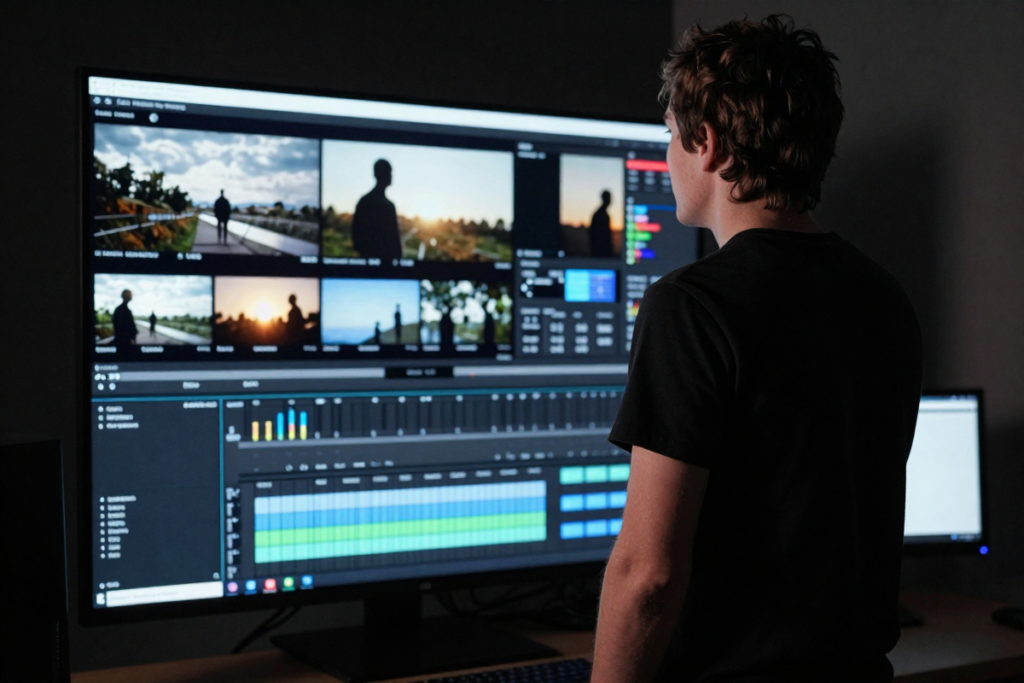
Here’s the truth about short film timelines: Whatever you estimate, add 50%. That’s not pessimism—it’s realistic planning based on how productions actually unfold.
Unexpected challenges will arise:
- Equipment malfunctions
- Scheduling conflicts
- Creative roadblocks
- Technical learning curves
- Life interruptions
The filmmakers who successfully complete their short films aren’t necessarily the most talented—they’re the ones who plan realistically, maintain momentum through challenges, and know when to call their film finished.
Your action plan:
- Start with a simple, achievable concept
- Create a detailed timeline with buffer time
- Set a firm completion deadline
- Build accountability into your process
- Focus on finishing, not perfection
Remember: A completed imperfect short film teaches you infinitely more than an abandoned perfect idea. The best time to start making your short film was yesterday. The second-best time is today.
Ready to get started? The tools and knowledge you need are available right now. Your only job is to begin.
👉 [Recommended online filmmaking course]
Disclaimer: This article contains affiliate links. If you purchase an item through the link I will earn a small commission at no extra cost to you.
What short film are you planning to make? How long do you realistically think it will take you? Understanding your timeline is the first step toward actually finishing your project.
Leave a Reply